Achieving the perfect industrial farmhouse look involves balancing modern sleekness with rustic charm. Our guide from Industrial Farm Co. covers key elements of both styles, tips for blending materials and textures, and room-by-room advice. Discover how to create a cohesive, stylish, and inviting home with a mix of contemporary and vintage decor.
Industrial farmhouse is not a style that arrived fully formed. It developed because people who lived in real places, with real materials, needed things to be functional and also wanted them to look considered. The best versions of it feel neither purely modern nor purely rustic. They feel honest.
The bridging element between the modern and rustic sides is almost always steel paired with wood: a steel shelf bracket under a reclaimed oak board, matte black hardware on a warm wood cabinet, an open kitchen shelf that holds cast iron. Industrial Farm Co. handcrafts the steel side of that equation — brackets, hooks, racks, and hardware — in Camillus, New York. These are the pieces that make the two sides work together in a room that is actually lived in.
The short version: raw materials handled well. Exposed steel, unfinished wood, concrete, leather. Things that were built to work and happen to look good because of that. It pairs the clean geometry of industrial design with the warmth and patina of farm and country living. The tension between those two is the point.
It is not a purely nostalgic style and it is not a purely modern one. That is what makes it work in actual homes rather than just in design portfolios.
The Modern Side
Simplicity. Clean lines. Restraint in the use of color: whites, warm grays, and neutral tones as the dominant palette. Things that have function. Furniture that is proportional rather than ornate. You are not going for empty and cold — that is minimalism. You are going for clean but lived-in.
The Rustic Side
Natural materials. Wood that shows its grain. Metal that shows its work. A linen throw. A worn leather chair. Texture is important: rough-hewn surfaces, woven textiles, distressed finishes. A space that is all polish has no warmth. The rustic elements are what make it feel like home rather than a showroom.
Where the Two Sides Meet
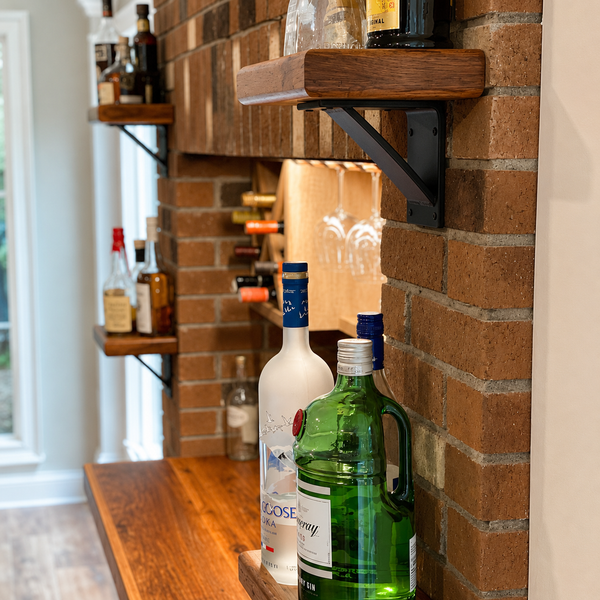
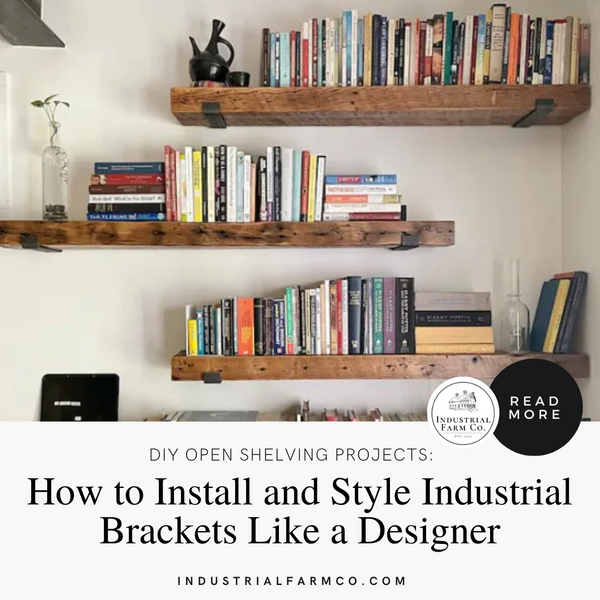
The materials that bridge both worlds are steel, iron, and raw wood. A steel shelf bracket on a white oak board is as straightforward as this style gets: modern in its geometry, rustic in its material, and useful as an object regardless of what it looks like.
A few more combinations that work:
Stainless steel appliances with reclaimed wood open shelving
Concrete floors with wool or jute rugs
Metal bed frame with natural linen bedding
Matte black hardware on warm wood cabinetry
Room by Room
Living room: Start with a neutral wall color. Add a wood coffee table or open shelving on steel brackets. Metal light fixtures and one or two carefully placed vintage pieces.
Kitchen: Stainless appliances are already modern. Add open shelving on steel brackets, a farmhouse sink, and matte black or aged hardware. The kitchen is where this style earns its keep.
Bedroom: A metal bed frame softened with natural linen bedding. Wooden nightstands. One piece of vintage decor, not three.
Bathroom: Modern fixtures paired with a wood shelf and metal towel bar. Match the hardware finish to what is already in the room.
Where to Start
If you are not sure where to begin, start with one surface. A wall that needs shelving. An entryway that needs hooks. One place where adding steel hardware and real wood together would actually solve a problem. The industrial farmhouse style reveals itself from there. You edit the room into it, one considered decision at a time.
Tools and Materials
Bringing the industrial farmhouse look into a space doesn’t require a full renovation. These are the materials that do most of the work, and the basic tools you’ll need for adding the shelving and hardware that anchor the style.
Key materials:
Natural or reclaimed wood boards (1.5 inches thick minimum for shelving)
Steel shelf brackets in your chosen finish — matte black is the most versatile starting point
Aged or matte black cabinet and drawer hardware
Neutral paint: warm white, soft gray, or warm greige for walls
Natural textiles — linen, wool, jute, or canvas — for throws, cushions, and rugs
One or two vintage or handcrafted accent pieces per room
For open shelving installation:
Lag screws, 3 inches (for stud mounting)
Wall anchors (if studs don’t align with bracket placement)
Industrial farmhouse style pairs the clean geometry and neutral palette of modern design with the natural materials and warmth of rustic farmhouse living. It uses steel, raw wood, concrete, and leather together in ways that feel functional rather than decorative. The result is a space that is contemporary but grounded.
How do you mix modern and rustic without it looking messy?
Pick one dominant palette and stick to it, usually warm whites and neutrals, and let the material contrast create the interest. Repeat each material or finish at least twice across the room so it reads as intentional. Keep the rustic elements warm and textural and the modern elements simple and proportional.
What colors work best for industrial farmhouse style?
Warm neutrals: whites, soft grays, warm beige, and natural wood tones. Black as an accent in hardware and light fixtures. Earth tones like aged brass or rust as occasional highlights. Avoid bright colors or overly cool grays, which push the look toward contemporary rather than industrial farmhouse.
How do you add industrial farmhouse style to a kitchen?
Open shelving on steel brackets with natural wood boards is the single most effective move. Pair that with matte black or aged hardware on existing cabinetry, a farmhouse sink if the budget allows, and pendant lighting with exposed bulbs. The materials are doing the work, not a full kitchen renovation.
What is the difference between farmhouse style and industrial farmhouse style?
Traditional farmhouse style leans warm, soft, and nostalgic with shiplap, cotton textiles, and vintage finds. Industrial farmhouse adds raw steel, concrete, exposed structure, and harder edges. The industrial version has more grit and less sentimentality, while still keeping the warmth and natural materials that make farmhouse style inviting.