Discover the transformative power of storage racks and hooks in maximizing home efficiency. From decluttering to optimizing space utilization, these versatile organizers offer practical solutions for every room of the house, enhancing productivity and reducing stress.
Storage racks and hooks solve the same basic problem in every room: items that need a home get piled on surfaces or shoved in closets. A wall-mounted hook or a tiered wire basket on a steel shelf bracket is more useful than a drawer because it’s visible, accessible, and doesn’t require organizing before you can find anything. The industrial farmhouse approach to storage is to make the functional pieces attractive enough that you don’t need to hide them.
Industrial Farm Co. makes hooks, coat racks, and wire baskets by hand in Camillus, New York. Our best-selling storage pieces include the Fairmount Style Coat Rack for entries, the Elizabeth Wall Hook for kitchen and utility use, the Arlen Tiered Metal Basket for shelf storage, and the Tyler Bathroom Towel Rack for bathroom organization. Every piece ships within 7 business days.
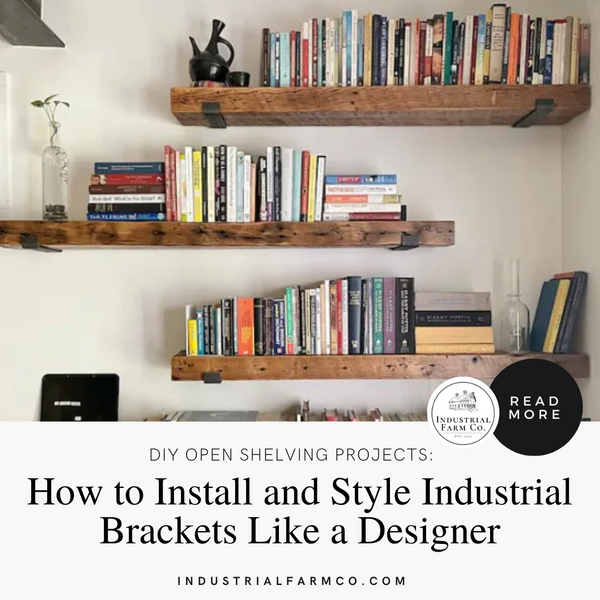
Storage racks are versatile because they use vertical wall space rather than floor space. A set of open shelves holds books, kitchenware, and decorative objects in a way that keeps them visible and accessible. A tiered wire rack in a pantry holds produce and canned goods so you can see what you have without digging. A wall-mounted ladder rack in a bathroom or bedroom holds blankets and towels without a piece of furniture that takes up floor space.
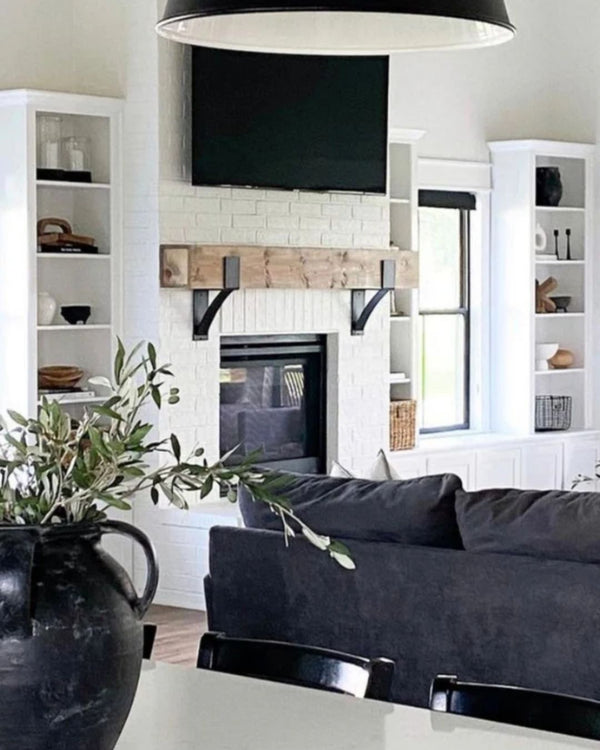
The key to effective storage racks is mounting them correctly. Shelving racks hold their load at the wall connection, which means studs are essential for anything carrying real weight. Space brackets no more than 24 inches apart on loaded shelves. Use toggle anchors when studs don’t align, but size them for the actual expected load.
Hooks: Small Additions with Big Impact
Hooks are the most underused storage solution in most homes because they seem too simple. They are not. A hook placed at the right height in the right location makes the difference between an item that goes where it belongs every time and an item that ends up on the kitchen counter.
Hooks work best when they are placed at the natural drop point for an item: coat hooks by the door, kitchen hooks near the stove or prep area, bathroom hooks at towel height. Position them thoughtfully and they become invisible in the best sense — the item just goes there without a decision each time.
Our individual wall hook collection includes options from single hooks to multi-hook bars in various finishes. All mount directly to the wall and are made from heavy-duty steel that holds without loosening over time.
Room-by-Room Guide
Entryway: The most critical storage location in a home. Coat hooks or a coat rack at 66-72 inches from the floor for adults, a lower row at 42-48 inches for children, and a small shelf above for keys and mail. The Fairmount Style Coat Rack handles all of this from one wall installation.
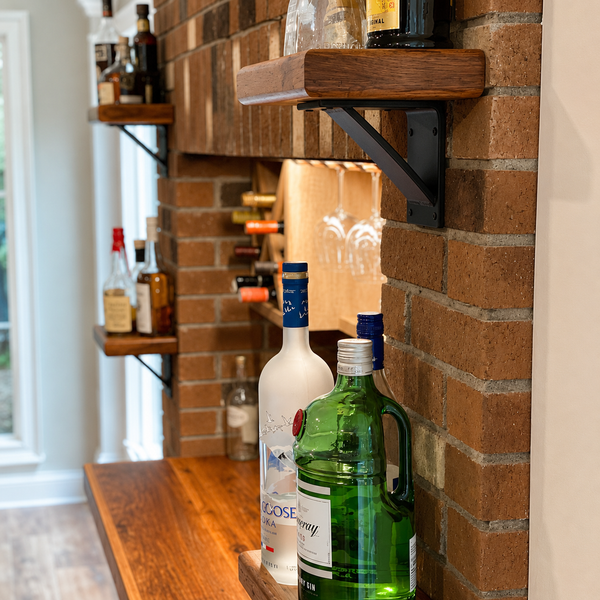
Kitchen: Wall hooks near the prep area for frequently used utensils, oven mitts, and measuring cups. The Elizabeth Wall Hook is sized for kitchen use: substantial enough for a cast iron skillet, clean enough for a tiled backsplash. Open shelving on steel brackets for dishes, glasses, and dry goods keeps the kitchen functional and visual at the same time.
Bathroom: Towel bars and racks hold towels better than hooks (towels dry faster when hung flat). The Tyler Bathroom Towel Rack handles bath towels. Individual hooks at door-adjacent or robe-height positions handle robes and hand towels. A shelf above the toilet on steel brackets adds storage without floor furniture.
Bedroom: Hooks on the back of the closet door or a small hook bar inside the closet handle the items that don’t get hung with suits or folded with shirts: bags, belts, frequently worn accessories. Hooks behind bedroom doors are the lowest-visibility solution for items that need to be accessible but not displayed.
Garage or utility room: The location where proper hooks and racks have the greatest functional impact. Wall-mounted racks for tools, bikes, and seasonal equipment keep the floor clear and the space usable. Use heavy-duty anchors into studs for anything carrying significant weight.
Choosing the Right Storage Solution
Three questions determine the right storage piece for any location:
What is the actual weight of the items this needs to hold? Size your hardware and mounting accordingly.
Is this a humid location? Choose hardware finished or coated to resist moisture.
Does this need to be visible or hidden? Hooks and open racks make items visible. Closed containers and cabinets hide them. Both have their place, and most homes benefit from a combination.
Our full storage collection covers hooks, coat racks, wire baskets, towel racks, and shelf brackets. For most storage challenges, the right piece is one that solves the actual problem in the specific location, sized for the real load it will carry.
Installation Tips
Proper installation determines whether a storage solution works long-term or loosens over time. The most important rule: mount into wall studs whenever possible. Studs provide the anchor point that drywall alone cannot.
Use a stud finder to locate studs before marking any hole positions
Pre-drill pilot holes to prevent splitting wood studs
For heavy items, use lag screws (3 inches minimum) rather than wood screws
When studs don’t align with your desired location, use toggle bolts rated for at least twice the expected load
Check level on every installation — a hook or rack that isn’t level will always look off
What is the best way to add storage to a wall without furniture?
Wall-mounted hooks and open shelving on steel brackets are the most space-efficient options. Hooks handle coats, bags, kitchen tools, and towels. Open shelving handles everything that benefits from being visible. Both mount directly to the wall and use vertical space that furniture would leave empty. Mount into wall studs for anything carrying real weight.
How do you choose the right hooks for your home?
Match the hook to the item it needs to hold: coat hooks at 66-72 inches for adults, kitchen utility hooks near the stove or prep area at whatever height is convenient, bathroom hooks at towel height. Choose a finish that matches the other hardware in the room. Heavy-duty steel hooks hold better than lightweight ones over time, especially for items like coats and bags.
How many coat hooks does an entryway need?
One hook per regular household member is the minimum. For a family of four, four hooks plus two additional for guests is a practical number. Space individual hooks 6-8 inches apart. A multi-hook coat rack like the Fairmount Style Coat Rack handles this in one installation. Add a lower row at 42-48 inches from the floor for children.
What is the best storage for a small bathroom?
A towel rack mounted into studs handles towels better than hooks because towels dry faster when hung flat. Individual hooks at robe height handle robes and hand towels. A shelf above the toilet on steel brackets adds storage without floor furniture. In very small bathrooms, the Diana Towel Rack with Shelf from Industrial Farm Co combines a towel bar and shelf in one wall installation.
How do you mount hooks and storage racks so they stay secure?
Mount into wall studs whenever possible. Use a stud finder before marking any holes. For heavy loads, use lag screws at least 3 inches long. When studs don't align with your desired location, use toggle bolts rated for at least twice the expected load. Pre-drill pilot holes to prevent splitting. Check level before final tightening on every installation.