Enhance your industrial farmhouse home with greenery! Discover the best plants for this style, including snake plants, fiddle leaf figs, and succulents, along with creative display ideas to add natural charm and freshness to your space.
Plants and industrial farmhouse interiors go together better than most people expect. The style leans hard into natural materials, which means greenery fits right in rather than fighting the aesthetic. A snake plant in a galvanized bucket or a trailing pothos on a steel-bracketed shelf looks more intentional here than in almost any other setting.
Here are the plants that actually work in this style, how to display them, and what containers complement the look.
Industrial farmhouse design uses a lot of hard materials: steel, concrete, raw wood. Plants break that up in exactly the right way. They add color without paint, texture without pattern, and life without decoration. They also soften the harder edges of the industrial elements without competing with the rustic ones.
The Best Plants for Industrial Farmhouse Homes
Snake plant is the single best match for this aesthetic. The vertical, architectural leaves pair naturally with steel and concrete. It handles low light and irregular watering without complaint. Corners, beside a bookcase, next to a metal bed frame: it fits without fussing.
Fiddle leaf fig makes a statement. The large, dark green leaves add drama when a room needs one bold natural element. Place it where it gets bright indirect light and give it a simple container.
Pothos is the most versatile option for shelving and vertical displays. The trailing vines look good cascading off a shelf bracket or draped over a galvanized bucket. Extremely forgiving with light and water.
ZZ plant thrives in low light, which makes it genuinely useful in rooms that don't face south. The waxy dark green leaves look polished next to raw wood and metal without requiring any upkeep.
Succulents in groupings work well on open shelves and windowsills. Group them in a tray or planter rather than scattering them individually.
Fresh herbs in the kitchen are both practical and appropriate for the style. Basil, rosemary, thyme in small galvanized containers or terra cotta pots on a kitchen shelf.
How to Display Them
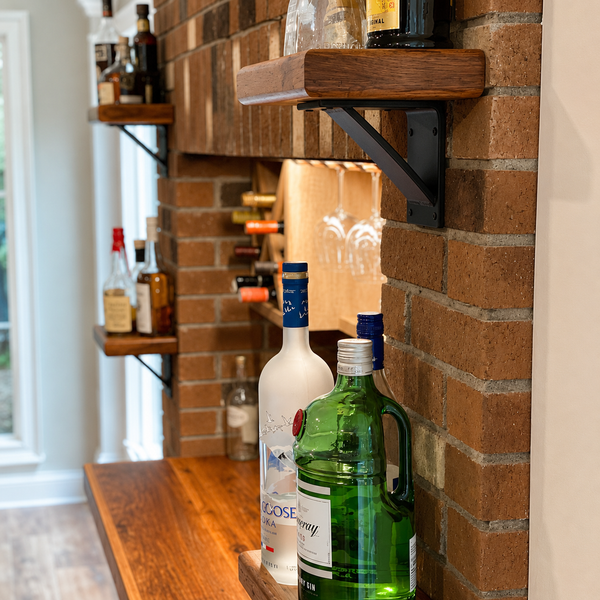
On open shelves: Mix plants into a shelf arrangement rather than dedicating a shelf entirely to plants. Our steel brackets give you a solid platform for heavier pots and planters without worrying about shelf sag.
Hanging planters: Ceiling or wall-mounted, hanging planters work well in rooms with high ceilings or vertical space to fill. We offer metal plant holders and wall mounts that fit the style and keep the plant secure.
Floor placement: A larger plant like a fiddle leaf fig earns its floor space in a living room corner. Put it in a simple container and let it be the thing it is.
Windowsills and ledges: Succulents, small herbs, and trailing plants that need more light. Rotate them toward the light and water consistently.
Containers That Fit the Aesthetic
Galvanized metal buckets and pots — the most straightforward fit. Our metal buckets and planters are made for exactly this use.
Reclaimed wood boxes and crates — add warmth and texture for groupings of smaller plants.
Unglazed terra cotta — earthy and simple. Ages well and looks better with time.
Simple paulownia wood planters — our Paulownia Wood Planter for indoor plants where you want wood warmth without the weight.
Tools and Materials
Plants:
Snake plant, pothos, ZZ plant, fiddle leaf fig, or succulents (see recommendations above)
Fresh herbs for kitchen shelves: basil, rosemary, thyme
Snake plants, ZZ plants, pothos, fiddle leaf figs, and succulents all fit well. They complement raw wood and metal surfaces, tolerate the range of light conditions common in industrial farmhouse spaces, and look intentional rather than decorative. Fresh herbs in the kitchen also work practically and aesthetically.
What planters work with industrial farmhouse decor?
Galvanized metal buckets and pots are the most direct fit. Unglazed terra cotta, reclaimed wood boxes, and simple paulownia wood planters also work well. Avoid bright glazed ceramics or plastic nursery containers, which pull away from the aesthetic. The container should feel natural or industrial, kept simple.
How do you display plants on open shelves?
Mix plants into a shelf arrangement with books and objects rather than dedicating a full shelf to plants alone. A trailing pothos at the end of a shelf with other items reads as intentional. Use brackets with enough load capacity for the pot and soil weight, and leave space around the plant so it doesn't look crowded.
What is the easiest plant for an industrial farmhouse home?
Pothos is the most forgiving option. It handles low light, irregular watering, and placement in rooms without direct sun. The trailing vines look good in hanging planters and cascading off shelves. ZZ plants are a close second for very low-maintenance needs.
Where should I put plants in an industrial farmhouse space?
On open shelving in the kitchen or living room, in corners where a larger plant like a fiddle leaf fig or snake plant can stand alone, on windowsills for plants that need more light, or in hanging metal planters on walls with vertical space to fill. In kitchens, fresh herbs on a shelf near the window are both functional and consistent with the farmhouse sensibility.